In the final part of the series, I talk about moving on to the second job. For junior staffers, this can feel challenging and fraught with peril. Do you let people know you’re looking? Do you keep it to yourself? How do you explain if you get an offer? What if you move too early and fail? What if you move too late and feel stuck?
My first job was an extension of my first fellowship, which was an extension of my 3L TA position. Believe it or not, Spring 2019 was my first post-J.D. career interview! I’m now 1/1 and can assist you with the trouble of trying to figure this out all on your own.
Ideals & Ideas
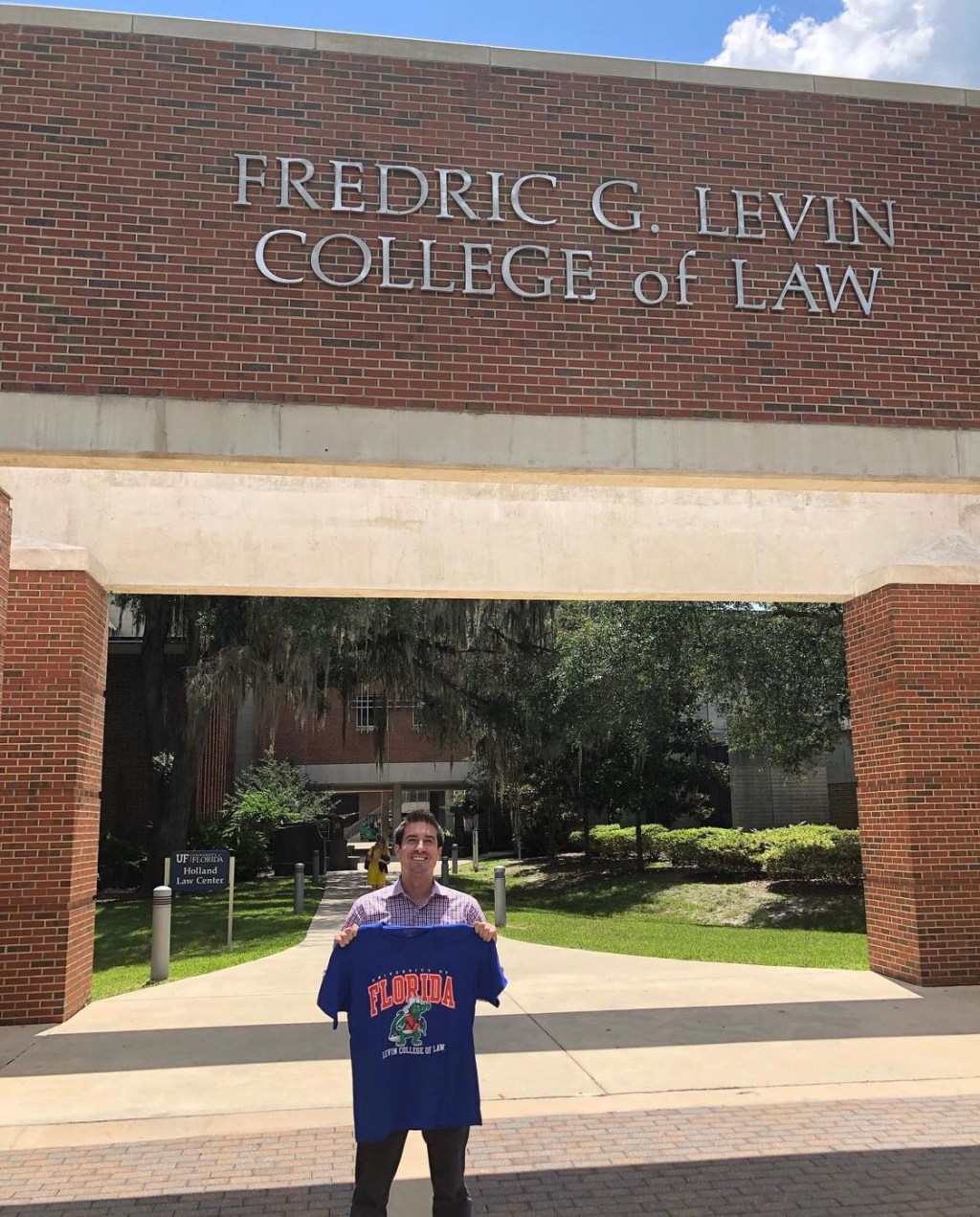
When you begin to think about a job search, it’s important to consider why you’re looking to move on. What are you already accomplishing, enjoy doing, and hope to keep doing (ideals) and what are you looking to do that a new position is best suited for (ideas)? I had a pretty good sense of the former through my professional purpose. But I also realized that the Non-J.D. world was rapidly evolving yet again and that I needed to better align my work with where the industry was headed. I had set up a job alert for law school positions to assist a junior colleague and when I saw a position that seemed to match my ideals and ideas, I decided to trust my gut for the third time and entered the job market.
Understand the Landscape
I received the best explanation about a job search for university positions years ago. Simply put: it’s not about you, it’s about what happened before you. Higher education positions are generally not written on a blank slate. Rarely is a new position “created.” Instead, a title is changed. An old position is re-imagined. Resources are shifted to a strategic area. Higher education has been doing more with less for a while and that’s not going to change anytime soon.
So instead of focusing on why you’re so great, you need to figure out what is driving the searches. After you understand the background and context of a position opening, you can then determine how to best frame your background, skill set, and interests in a way that aligns with what fits the position. The more you focus on the hiring need, the more likely you are to be successful.
Look in The Mirror
Thinking about departing job #1 can be quite difficult for anyone. There’s a lot to take in, especially if you’re the one considering leaving. I made the process even harder for myself having worked at the school I graduated from immediately upon graduation. 2013 was still the age of law school funded positions, before U.S. News really clamped down and schools ditched this short-term graduate hiring strategy. Those who did not know my story probably wondered if I settled into university work because I couldn’t secure legal work. Was I another university funded position at a time when some other schools liberally utilized this method? What this meant was I needed to really spend time on my cover letter and my story.
My advice for junior staffers looking for job #2: take an honest assessment of your resume and spend way more time than you think you need on your cover letter. Imagine seeing your resume as someone who has never met you and think about what they would say. I wasn’t comfortable sharing my search with anyone and so I went it alone. I’d highly recommend finding a trusted contact to give you feedback.
Saying Goodbye
I still remember telling my first boss (who had since departed his role) that I was looking and that he would be my first reference. The process didn’t feel real during my video screener. Or during my < 24 hours flying round-trip with a connection for a full-day of interviews on the DL. It only felt real once I had to tell my supervisors as a university was ready to move forward.
That was when the abstract turned into reality. You’ll have to quickly determine whether you’re really ready to move. To leave a good job. To possibly pack up and move somewhere else. Understanding context and your background can make this decisions easier or more difficult. I decided, for a number of reasons, that I was ready to move on. I wrapped up 2018-19 right around graduation and then told those close to me, including recent graduates, that I’d be headed south. As someone who focuses on recruitment and community building, this hit me especially hard. Feeling conflicted after you finalize your decision isn’t a bad thing. It means you care!
Learning to Fly
You worked hard in your first job. You climbed the higher education ladder. You made it to a summit. Congratulations! Now you have to start all over again.
Any new hire has to navigate a new position, regardless of rank or industry. But as a junior university staffer in job #2, it can feel like you’re starting at the very beginning once again. You’re not leading a group. You haven’t been brought in with a fancy website release. You may (or may not) have received a title promotion or salary increase. I recommend most junior staffers to look for job #2 after 3-5 years of the first entry-level position. Ideally that will come with a title promotion, a salary promotion, and a clear resume “jump.”
What happens once you start the second position? That’s a story for another series!
* * *
Epilogue
I had no idea when I started my new job in July 2019 that eight short months later a global pandemic would lead to classes going 100% online, lockdowns, travel restrictions, and the upending of so much of what we took for granted. I was still meeting people, adjusting to life in a city where I knew no one (for context, I already knew 3 people when I moved to Shanghai), and navigating my first job where people didn’t know me as a former student.
Last month, I started year #3 in this position. The lessons from the first six years of my career have truly helped me in this position, even amidst the challenges we’ve all faced since March 2020. As I’ve grown in my roles, I’ve continued to internalize how lucky I was at the very start of my career to be put in positions to succeed. I hope this entire series has been helpful for junior staffers as you navigate the first job and the eventual move to your second job. Reach out if you have questions or would like advice.
 Beyond Non-JD | by Joshua Alter
Leave a comment